Keeping safe and prepared
With extreme weather events becoming more frequent, longer-lasting and more severe, it's important we're all prepared in case the power goes out.
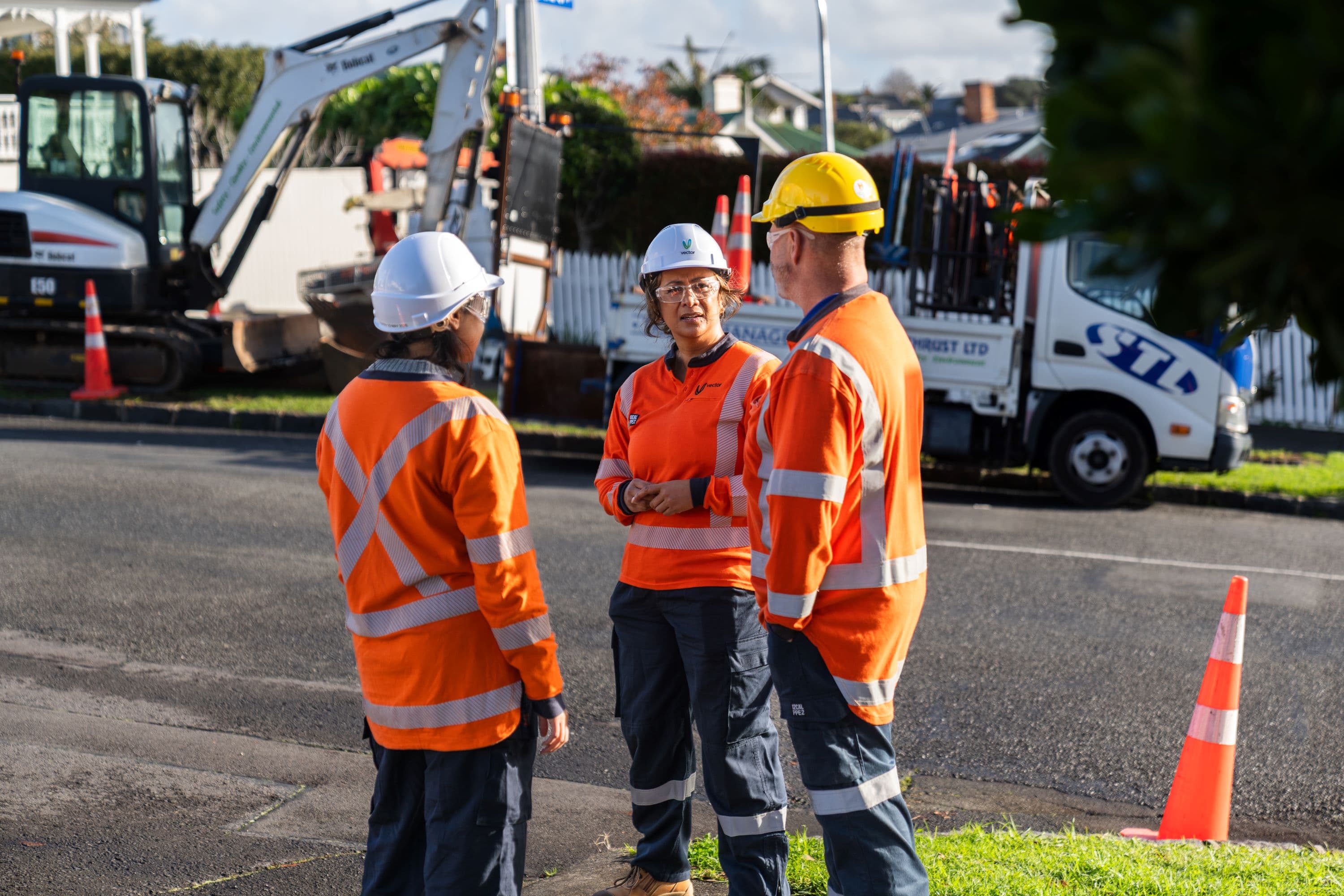
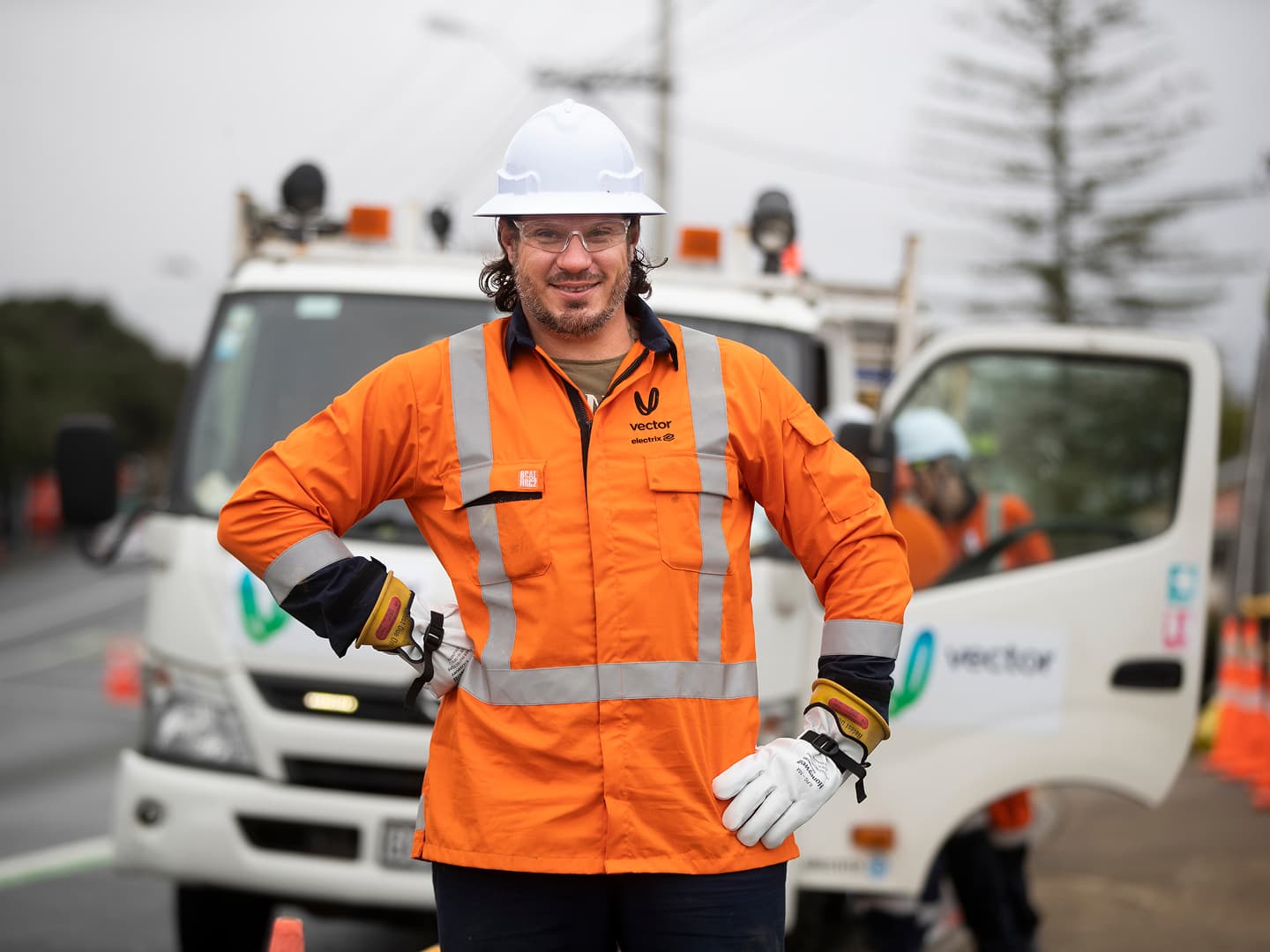
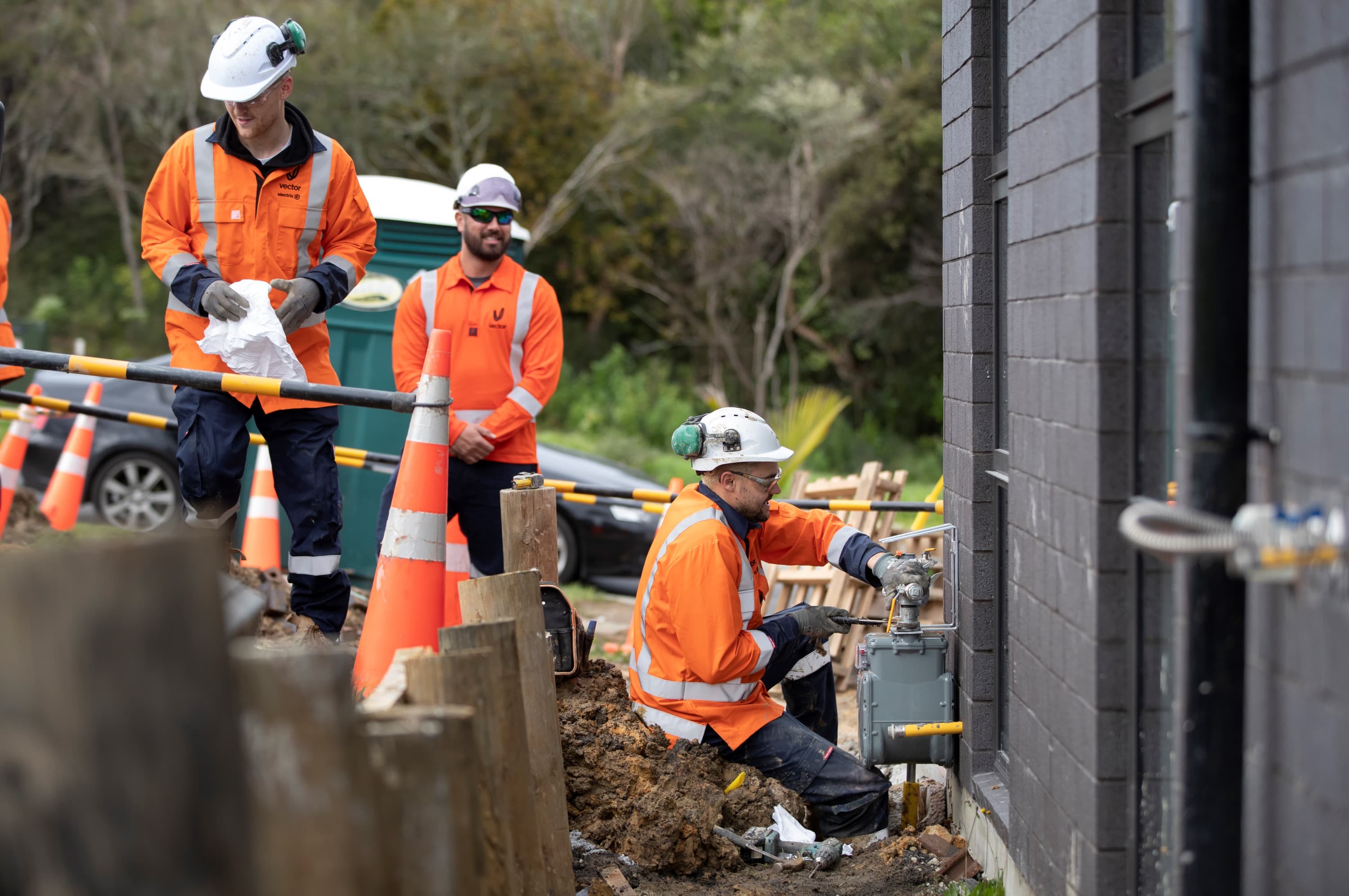
Our crews are highly experienced and well equipped for any weather event. They work around the clock to get the lights back on. However, there are plenty of things you can do to prepare yourself and your home, even before a storm hits.
On this page - quick links:
- How to prepare for and what to do during an outage at home
- See how Vector prioritises power restoration across the network
- Watch a behind the scenes video on how we work through a storm situation
- See our information leaflet on power outages that we share with customers after severe weather events
- See some common questions and helpful links
How can I best prepare for an outage at home?
Our crews are highly experienced and well equipped for any weather event. They work around the clock to get the lights back on. However, there are plenty of things you can do to prepare yourself and your home, even before a storm hits. It pays to be prepared in case your power goes off. In the case of a large weather event, you could be without power for longer than usual. Here are some reminders of how you can be prepared in case you lose power.
Mobile phone
Keep your mobile phone charged and consider having a spare battery or mobile power pack.
Torch & lighting
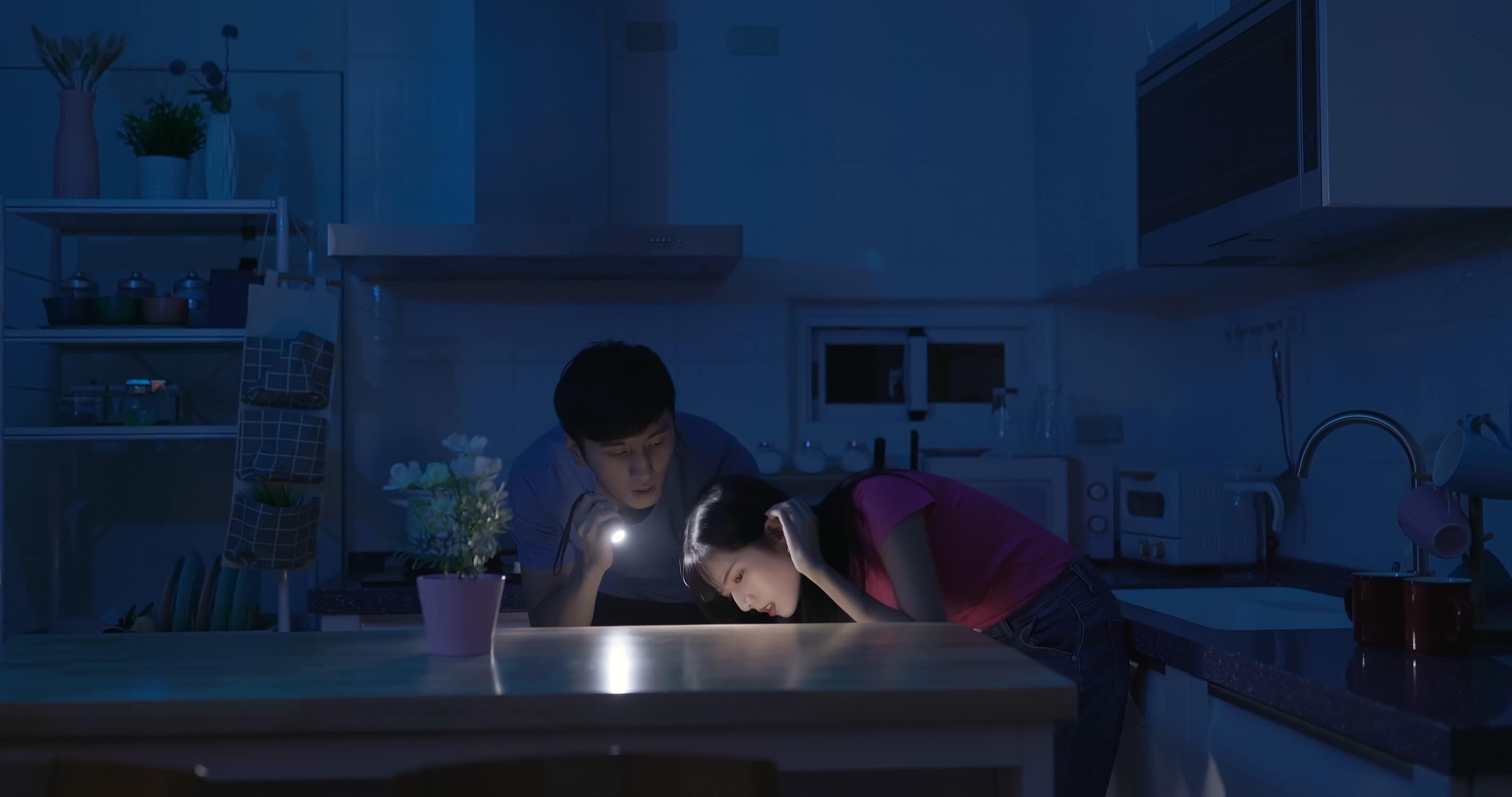
Have a torch or camping lights and some spare batteries handy.
Cooking without electricity
Store cooking fuel, such as gas for your BBQ.
Food, water & provisions
Ensure you have a supply of food, water and provisions in case you find your property isolated.
Surge protection
Consider using a surge protection device to protect appliances such as the TV or computer from power interruption.
Water pumps
Water pumps in rural areas may not work when the power is off. To prepare, make sure you store emergency water supplies for drinking and washing.
Security & access
Check that your house security alarm has battery backup in an outage. Make sure you know how to open any gates or garage doors manually.
Gutters and drains
If it’s safe to do so, check your gutters and drains, and ahead of forecasted bad weather secure any large outdoor items, like trampolines, and move any loose outdoor equipment or furniture inside.
Medically dependent on electricity?
If you are medically dependent on electricity you firstly need to register directly with your retailer - for example, Contact, Mercury, Genesis, etc. They hold your account information and pass that to us as the lines company. We strongly encourage all medically dependent customers to have a backup plan in place and ensure your support network are aware of what to do in an outage. If you don’t have a plan, we recommend speaking to your healthcare provider as soon as possible. More information about what to do if you, or someone you know, relies on electricity as a medically dependent customer is available online at www.eranz.org.nz.
Power restoration explainer – 7 steps
When there's an event, such as a storm that results in widespread power outages, our main goal is to work as safely as possible to restore power to the greatest number of customers in the shortest time possible. The graphic below shows the order in which we work to restore power across the network.
High-voltage sub-transmission lines
We prioritise repairs to the main sub-transmission lines (high-voltage lines) since these service large areas of the network and a very high number of customers
Zone substations
We must repair damage to zone substations before we can restore service to neighbourhoods, individual homes or businesses.
Essential services
We work with emergency services to restore supply (sometimes on a temporary basis using emergency generation) to essential services such as hospitals, community support centres, schools, communication equipment or water supply systems.

Neighbourhoods
We repair lines and equipment to systematically return service to the largest number of customers in the least amount of time in affected neighbourhoods. This includes repairs to hot water load control systems if affected.
Service lines
If power to a home is still off (within a restored neighbourhood), there may be an issue with the service line, which is your personal line that connects to your house. This line is the homeowner’s responsibility. Contact a registered electrician.
Hot water
Once we have restored hot water load control systems (step 4), if you still don’t have hot water, there may be an issue with your service pilot wire. Contact a registered electrician.
Storm ready behind the scenes
Take a look behind the scenes in this short video, showing all the work that's involved to restore people’s power during a large weather event when there are widespread power outages across the Auckland region.
Damage across the network
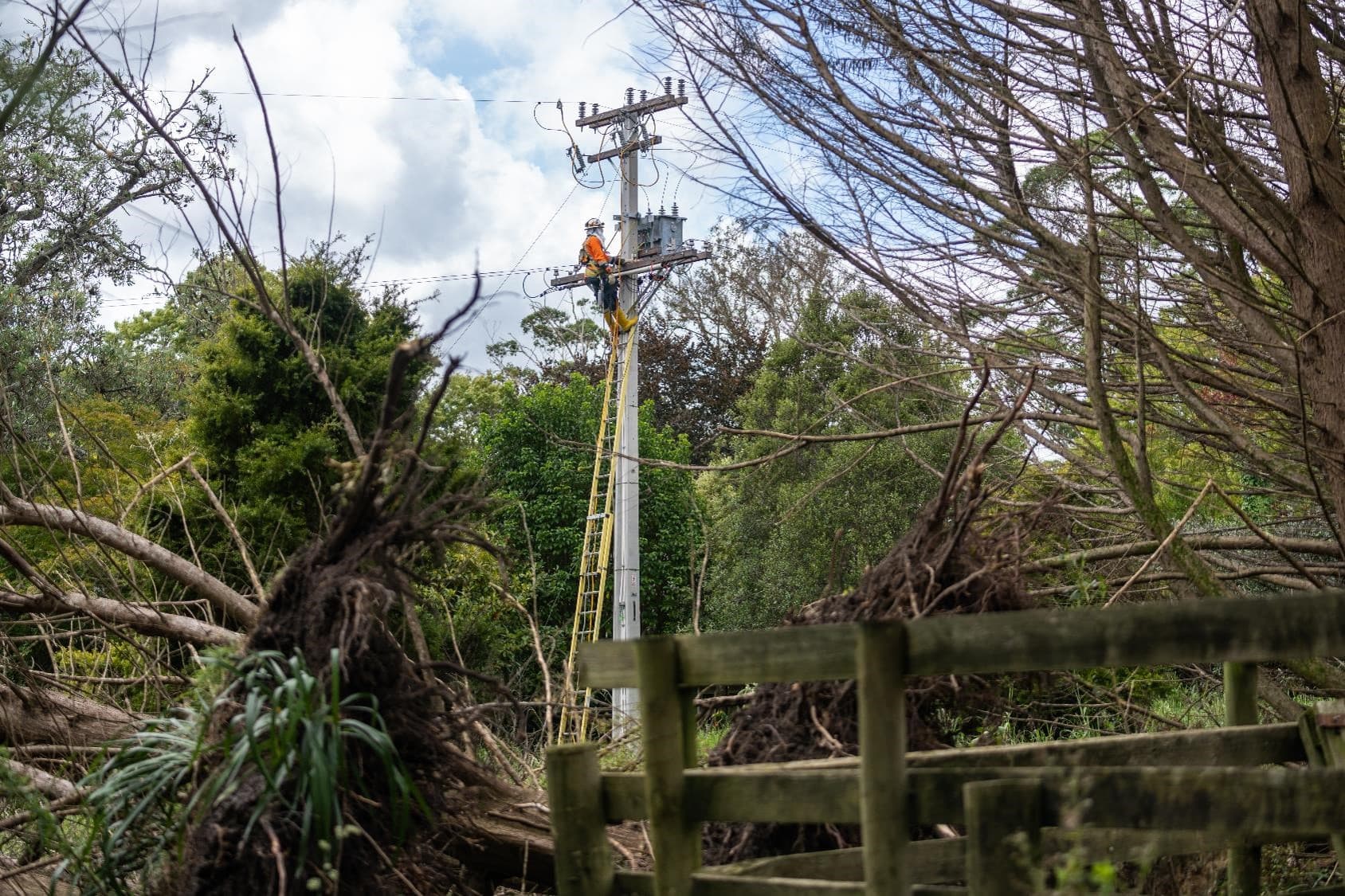
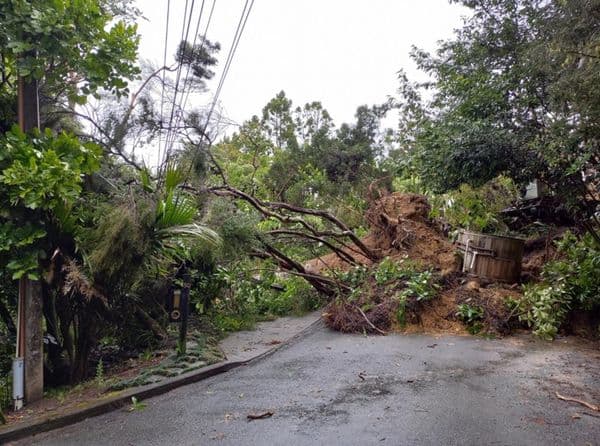
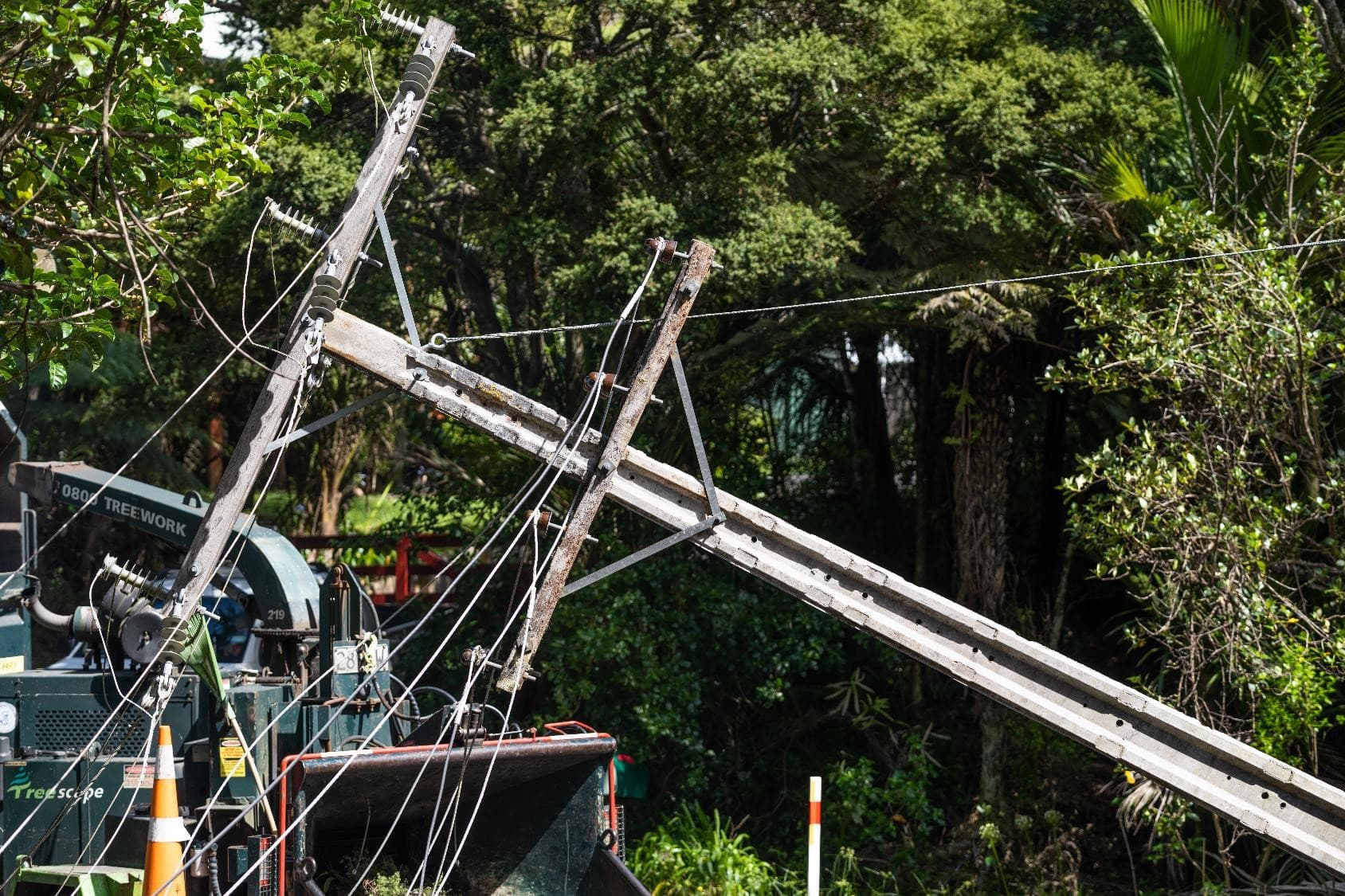
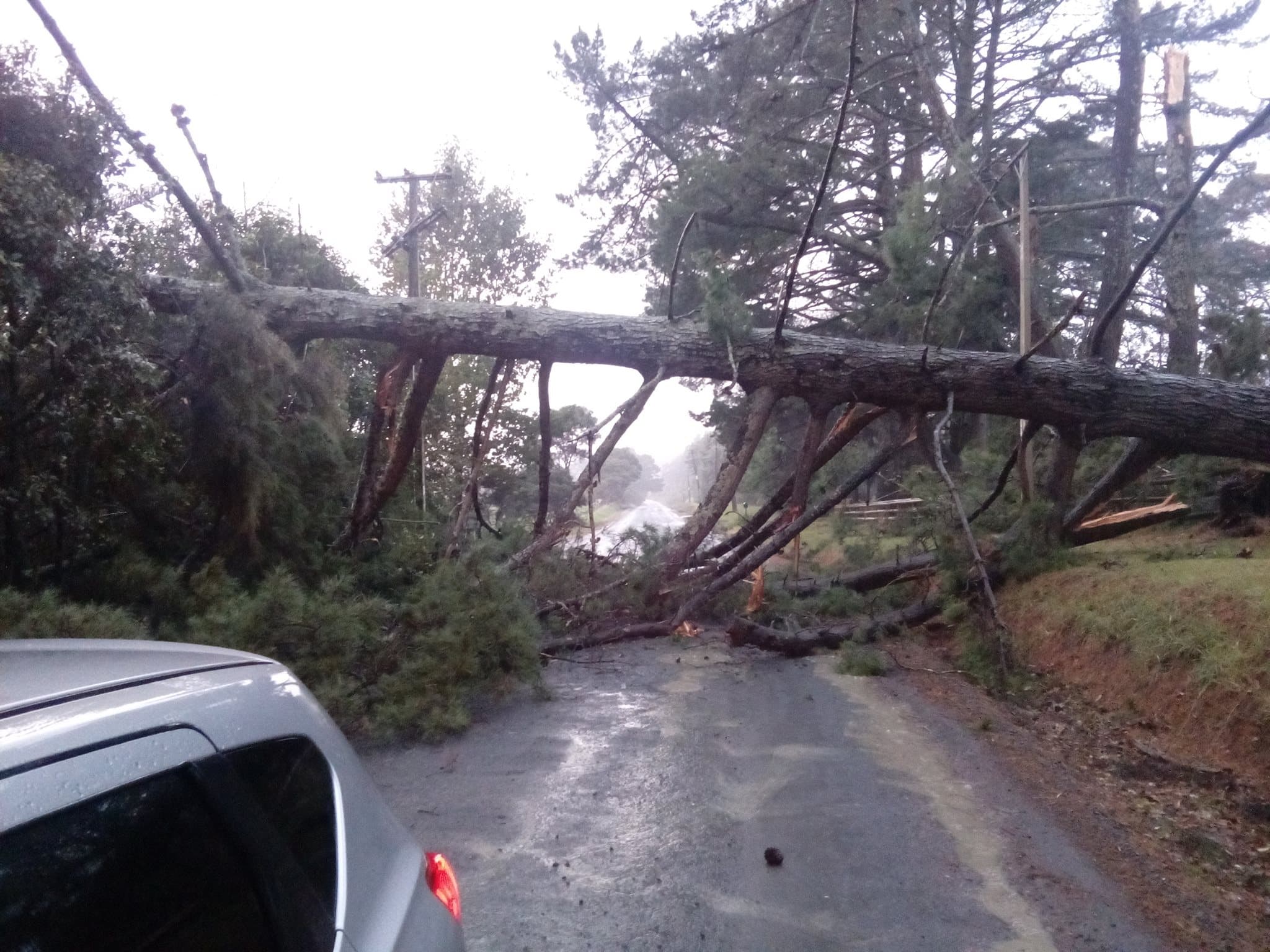
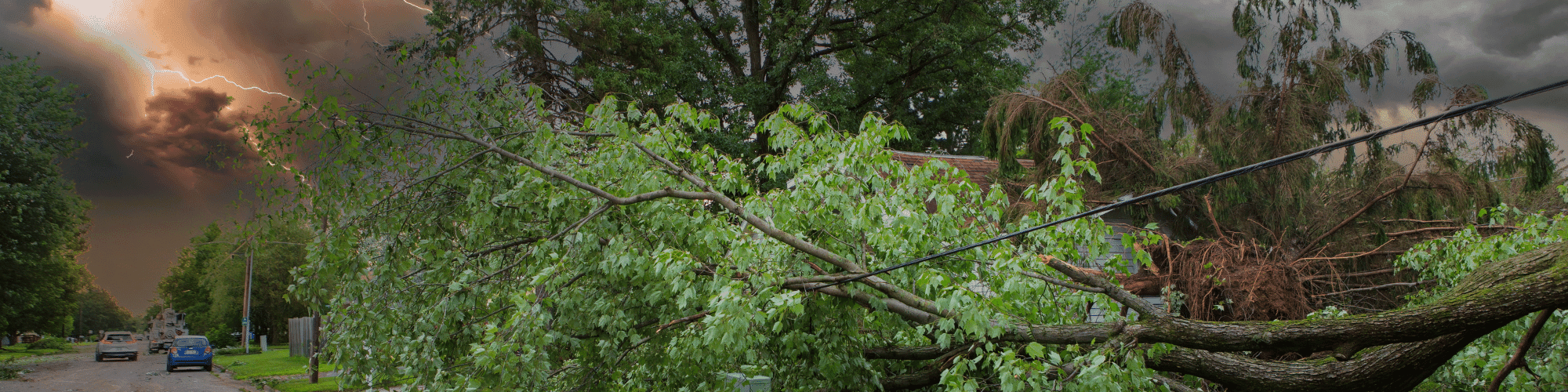
Extreme weather can cause trees and branches to fall, as well as slips, damaging the electricity network and making access to carry out repairs a challenge. Here are some photos from previous weather events that show the extent of damage that our crews are faced with when getting the power back on. For your safety it is important to stay well clear of any damaged power lines and electrical equipment - stay at least eight metres away.
See our information leaflet on power outages that we share with customers after severe weather events